
African football supporters have expressed anger over the absence of TotalEnergies CAF Africa Cup of Nations 2027 qualifying matches from SuperSport's live television schedule, with some subscribers threatening to cancel their subscriptions.
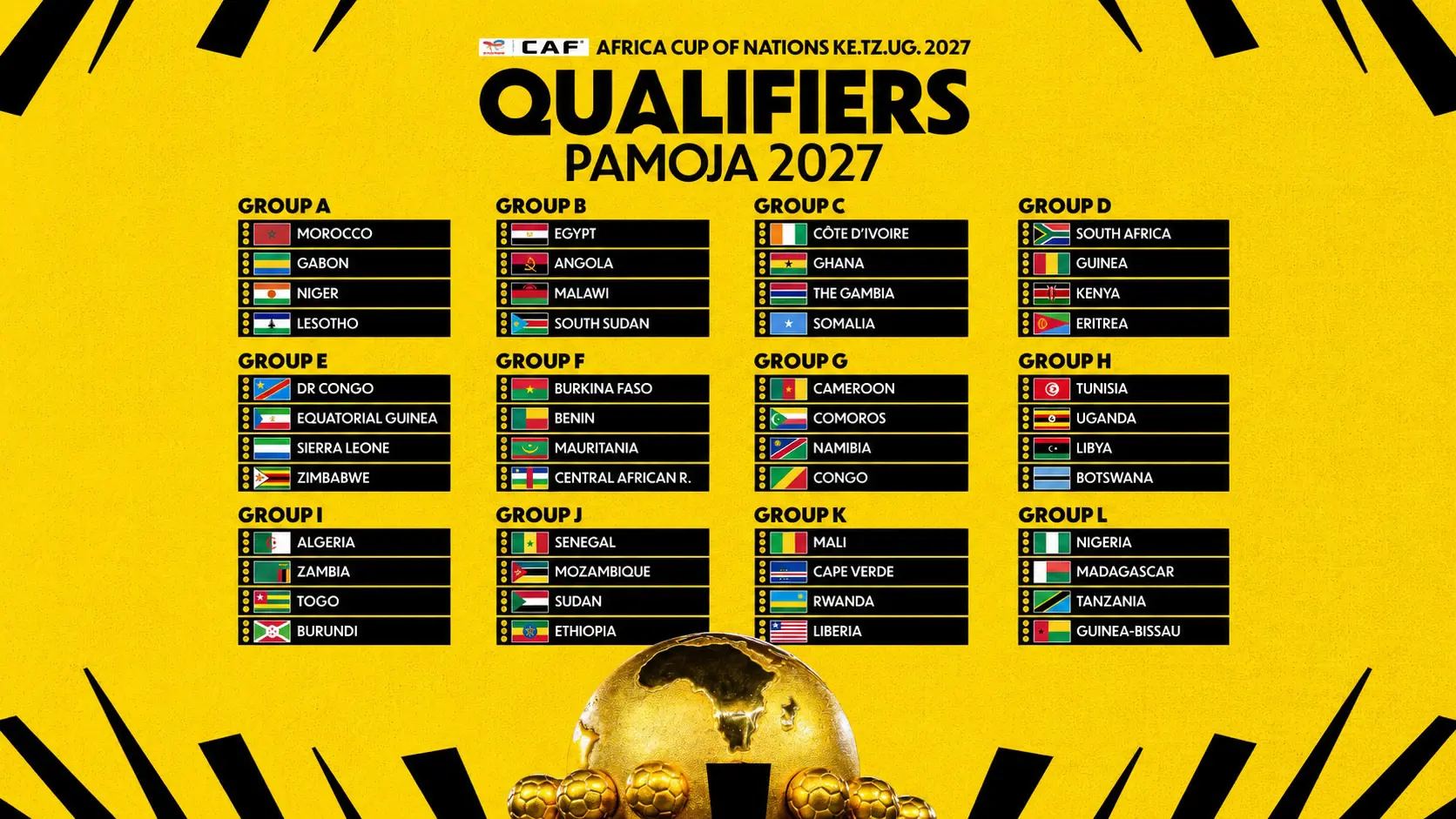
The frustration has intensified as the continental qualifiers begin on Thursday, 24 September, with 48 nations competing across 12 groups for places at next year's tournament in Kenya, Tanzania and Uganda.
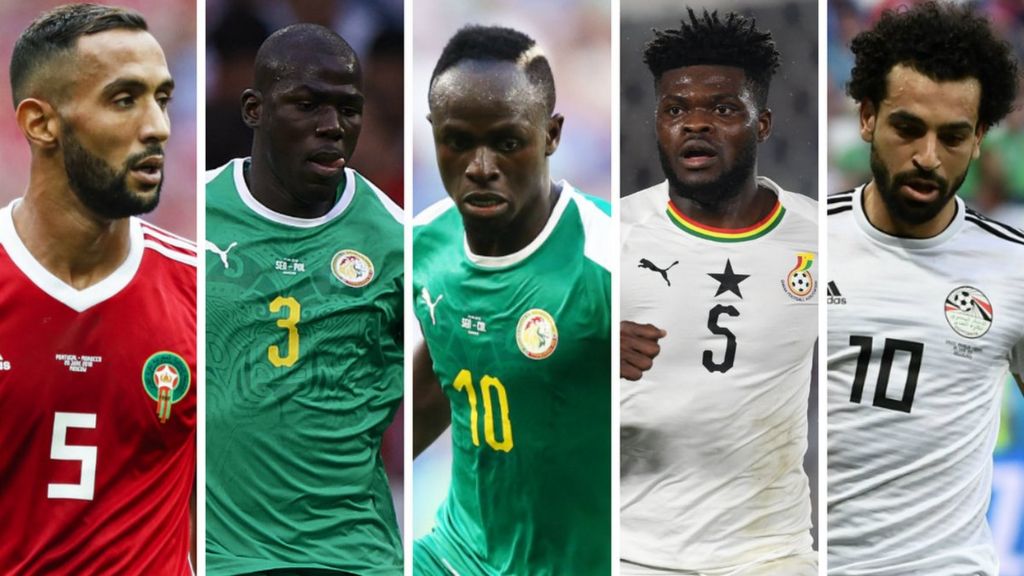
Several of Africa's biggest football nations are in action during the opening round, including Cote d'Ivoire, Ghana, Nigeria, Algeria, Morocco, Egypt, South Africa and Mali.
Many of the continent's leading players, who feature every week in Europe's biggest leagues, will also be representing their national teams during the international window.
However, SuperSport is not listed among the broadcasters confirmed by CAF for the opening round of qualifiers, and the South Africa-based pay-TV network has not announced live coverage of the matches.
That has triggered criticism from subscribers across the continent, particularly because SuperSport is simultaneously promoting coverage of the UEFA Nations League. For many African fans, the issue is not simply about missing matches.
It is about whether African football is being given enough priority by one of the continent's biggest sports broadcasters.
Supporters have questioned why European international fixtures are available across SuperSport channels while several high-profile African matches are not being shown on the same platform.
The opening round includes Cote d'Ivoire against Ghana, Algeria against Zambia, South Africa against Guinea, Nigeria against Madagascar, Egypt against Angola, Mali against Cape Verde and Morocco against Gabon.
Some subscribers have argued that matches involving Africa's leading national teams should be central to the programming of a broadcaster whose audience and revenue base are heavily rooted in the continent.
Others have called for greater investment in African football rights, arguing that money generated from African subscribers should also help strengthen the visibility and commercial value of competitions on the continent.
African Stars Back in Front of Home Supporters
The AFCON qualifying campaign offers African supporters a chance to watch some of the continent's biggest footballers represent their countries.
Players who attract huge audiences in the English Premier League, Spanish La Liga, German Bundesliga, Italian Serie A, French Ligue 1 and other major competitions will now turn their attention to national-team duty.
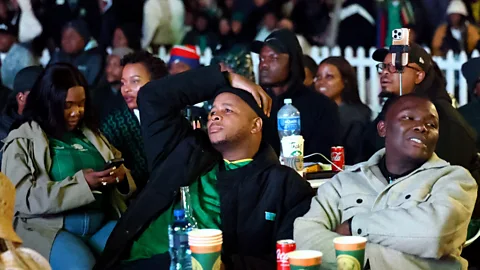
For supporters across Africa, international windows remain one of the few occasions when these players return to the continent to play competitive matches in front of local crowds.
That has made the lack of widespread television coverage particularly frustrating.
While many fans routinely follow African players at European clubs, the opportunity to watch those same players in national colours can be more difficult depending on where they live and which broadcaster holds the rights.
SuperSport's Absence Raises Questions
SuperSport remains one of the most influential sports broadcasters in Sub-Saharan Africa and has long been associated with major football competitions on the continent.
It also continues to carry news, fixtures, squad announcements, and other editorial coverage relating to the AFCON qualifiers on its digital platforms.
But editorial coverage is different from live television rights, and its absence from CAF's list of confirmed broadcast partners has become the main concern for subscribers.
The contrast with its UEFA Nations League coverage has sharpened the debate.
SuperSport is promoting European international matches, including fixtures involving some of Europe's smaller football nations, while African supporters in some countries face uncertainty over how to watch their own national teams.
That has led to wider discussion about the balance between European and African football on pay television.
Some fans believe European competitions have become too dominant in African sports broadcasting, even during periods when major continental competitions are taking place.
CAF Turns to National Broadcasters
CAF has confirmed a number of alternative broadcast arrangements for the opening qualifiers.
beIN Sports is carrying the competition across the Middle East and North Africa and other territories, while CANAL+ has rights to show the qualifiers in French across more than 30 countries in Sub-Saharan Africa.
A number of national broadcasters have also secured coverage.
RTI is among the broadcasters serving audiences in Cote d'Ivoire, while SABC is involved in South Africa.
CRTV in Cameroon, RTNC in DR Congo, Botswana TV, Azam in Tanzania, SNRT in Morocco and RBS in Rwanda are also among the broadcasters providing access in their respective markets.
Those arrangements will allow millions of supporters to follow their national teams, but they do not provide the same broad pan-African reach associated with SuperSport.
For viewers in countries without strong free-to-air coverage, that can leave significant gaps.
Bigger Debate Over African Football
The controversy comes at a time when interest in African football continues to grow. The 2027 qualifying campaign will determine the teams joining hosts Kenya, Tanzania and Uganda at a 24-team tournament scheduled to run from 19 June to 17 July 2027.
Beyond the immediate television dispute, the situation has reopened a familiar debate over the commercial treatment of African football.
African players are central to the success and popularity of many European clubs and competitions, yet access to African national-team football can still be inconsistent for supporters on the continent.
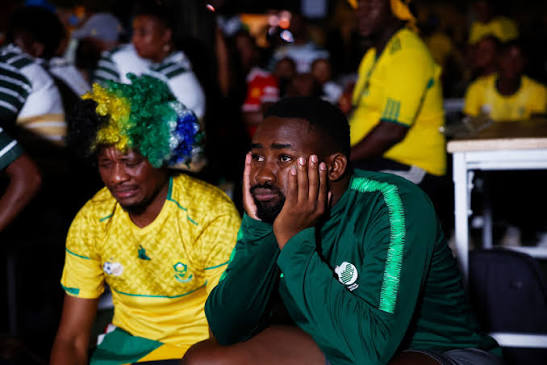
For many fans, that imbalance has become increasingly difficult to accept. As the qualifiers begin, attention will naturally turn to results, goals and qualification battles.
But for millions of supporters, another question remains just as important: how easy should it be for Africans to watch Africa's best players representing African countries?